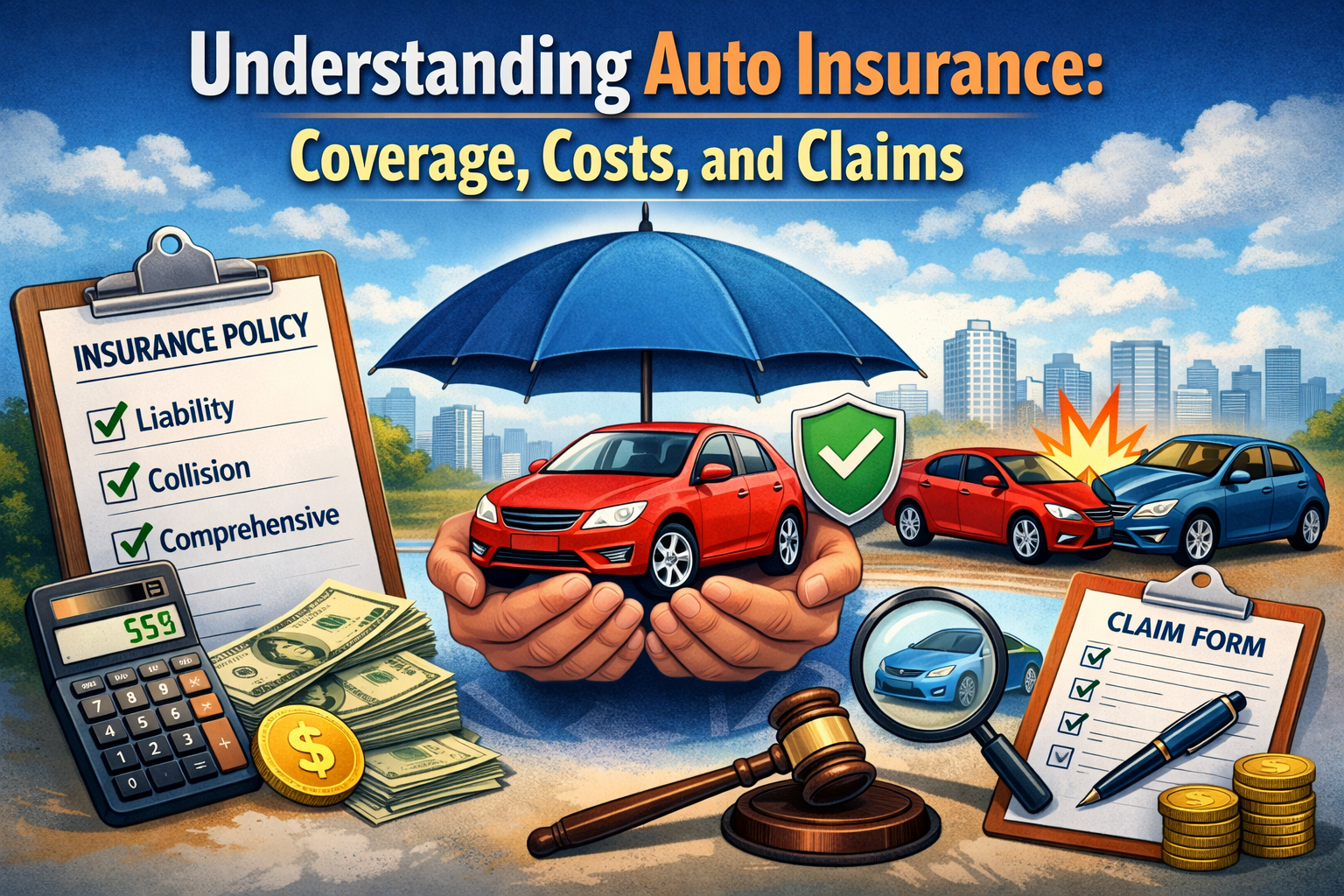
Driving comes with freedom, but it also comes with responsibility. An auto insurance policy exists to protect drivers financially when accidents, theft, or unexpected damage occur. While many people purchase coverage because it is required, understanding what it includes makes a real difference. Clear knowledge of how protection works can prevent confusion during stressful situations.
Looking at Core Protection
Not all policies offer the same level of coverage. One key element many drivers consider is collision coverage, which helps pay for repairs after an accident involving another vehicle or object. Without it, repair costs may need to be covered personally, even if the damage is significant. Evaluating the age and value of a vehicle often helps determine whether this protection makes sense.
Rates also vary based on driving history, vehicle type, and location. Comparing car insurance rates across different providers reveals how risk factors influence pricing. Younger drivers or those with previous claims may notice higher premiums. Understanding what affects pricing helps explain why quotes can differ widely.

Understanding the Claims Experience
Accidents rarely happen at convenient times. Knowing how the insurance claim process works in advance reduces stress when something unexpected occurs. Reporting the incident, documenting damage, and communicating with adjusters are common steps. Being familiar with these stages helps avoid delays and misunderstandings.
Another layer of protection comes from uninsured motorist coverage, which applies when the other driver lacks adequate insurance. This coverage can help pay for repairs or medical expenses that might otherwise become personal financial burdens. While not always mandatory, it adds an extra safeguard against unpredictable circumstances.
Comparing Options Carefully
Many drivers begin their search by reviewing car insurance quotes online or through agents. While price is important, the details behind each quote matter just as much. Two policies may appear similar at first glance but differ in deductibles, coverage limits, or optional protections. Taking time to review these distinctions ensures the selected policy matches individual needs rather than just budget constraints.
Selecting an auto insurance policy often comes down to balancing affordability with realistic protection. A lower premium may seem appealing, yet limited coverage can result in higher expenses later. Considering personal driving habits, vehicle value, and risk tolerance helps create a more thoughtful decision.
Insurance may feel like paperwork until it is truly needed. An auto insurance policy provides financial security during moments that are often stressful and unexpected. By understanding coverage types, pricing factors, and the claims process, drivers can approach their decisions with greater confidence and clarity.